Sewer Line Repair
Sewer line issues affect the whole property because every drain depends on that one line. Repairing a sewer line starts with understanding what's wrong — a crack, a sag, root intrusion, or a collapsed section — so the fix addresses the actual cause rather than the symptom.
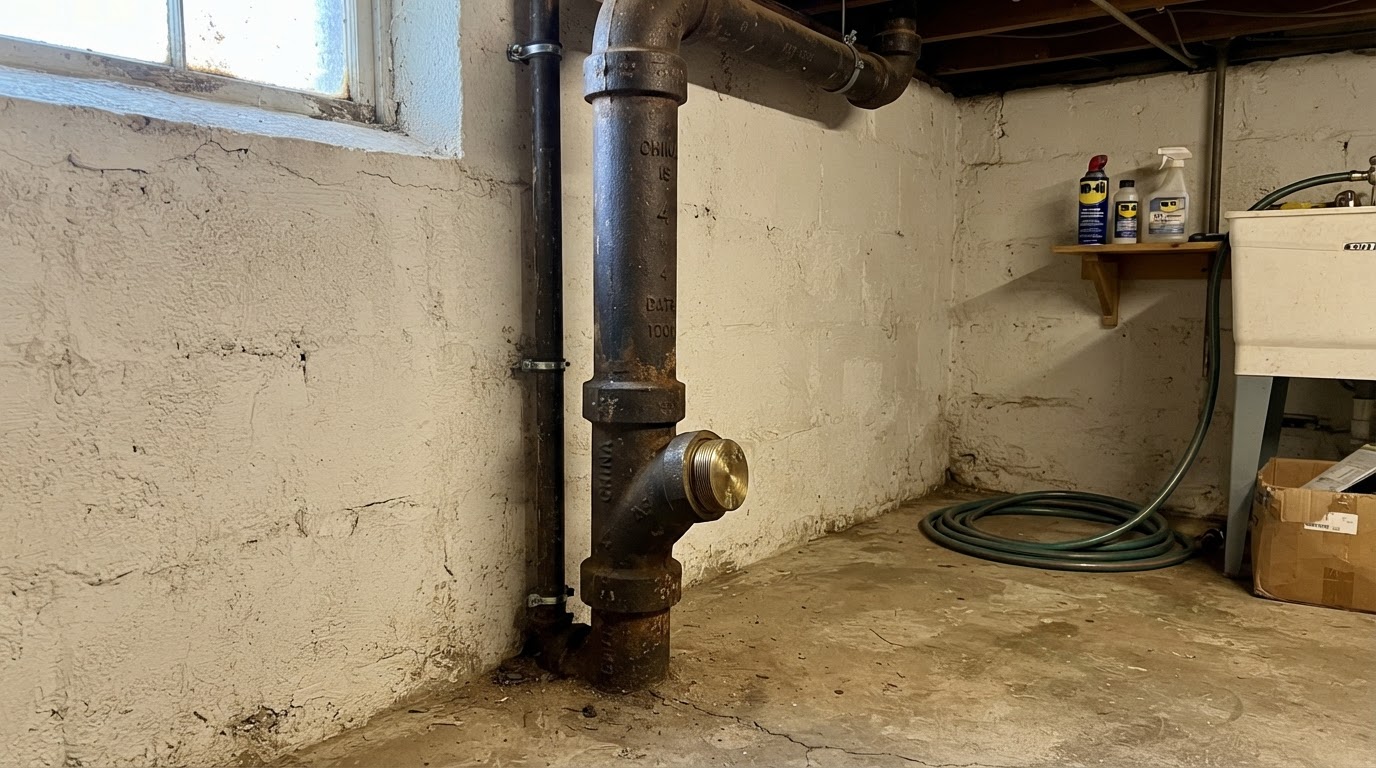
Common reasons you may need this service
- Multiple drains are slow or backing up at once.
- There are gurgling sounds from drains or toilets.
- Sewer odors are present inside or near the building.
- Patches of yard are unusually wet or sunken.
- A prior inspection flagged a line issue.
Typical tasks and considerations
- Assessing the line for damage and blockage.
- Locating the problem area along the run.
- Repairing the affected section of line.
- Confirming flow and checking connections.
- Advising on the rest of the line's condition.
Common problems and possible causes
Root intrusion
Roots seek moisture and can enter small openings in older lines. Clearing them helps temporarily; repairing the entry point prevents return.
Cracked or broken section
A crack lets soil and roots in and waste out. Replacing the damaged section restores the line.
Sagging line (bellies)
A section that dips collects waste and causes recurring clogs. Re-leveling or replacing that section resolves it.
Sewer Line Repair — frequently asked
Related plumbing services
Sewer Line Replacement
Full or partial sewer line replacement when repair is no longer a durable option.
Learn moreDrain Cleaning
Clearing slow and blocked drains in kitchens, bathrooms, and utility areas to restore normal flow.
Learn moreClogged Drain Repair
Targeted clearing for fully or partially blocked drains, including stubborn and recurring clogs.
Learn moreNeed sewer line repair?
Describe what's happening and we'll review the details with you before any work begins.